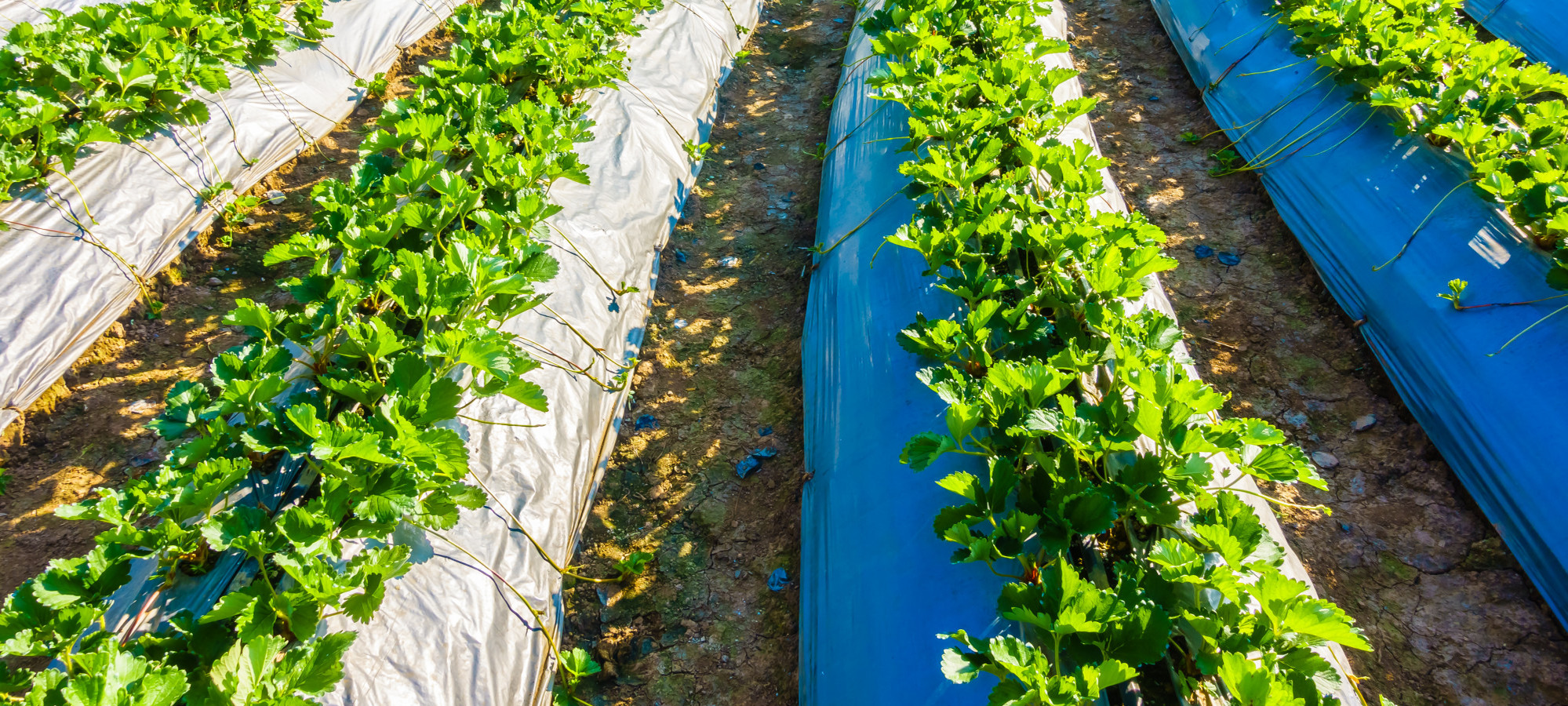
1. Drip Irrigation: Precision for Every Drop
Drip irrigation has gained massive popularity in Gujarat. This system delivers water directly to the roots of plants through a network of valves, pipes, and emitters. It drastically reduces water wastage caused by evaporation or runoff. Ideal for horticultural crops like pomegranates, bananas, and vegetables, drip irrigation also ensures better yields and saves fertilizer by carrying nutrients with water (fertigation).
Government Support:
The Gujarat government, through the Micro Irrigation Scheme, provides up to 70–85% subsidy for drip and sprinkler systems, especially to small and marginal farmers. Applications are accepted on the i-Khedut portal.
2. Sprinkler Irrigation: A Rain-Like Solution
Sprinkler systems simulate rainfall by spraying water through nozzles. This method is suitable for crops like wheat, groundnut, and cotton, which require overhead watering. It helps cover a large area with uniform water distribution and is especially beneficial in sandy soil regions of Saurashtra and North Gujarat.
3. Canal Irrigation from the Sardar Sarovar Project
One of Gujarat's most ambitious irrigation projects is the Sardar Sarovar Project, which channels water from the Narmada River to drought-prone regions through an extensive canal system. These canals irrigate vast stretches of land, particularly in Kutch, North Gujarat, and Saurashtra. Modernization efforts include laying underground pipelines to prevent evaporation and seepage losses.
4. Rainwater Harvesting and Farm Ponds
To utilize seasonal rain effectively, farmers are encouraged to build farm ponds and check dams that store water for irrigation during dry periods. The Sujalam Sufalam Jal Abhiyan, initiated by the state government, deepens and cleans local water bodies before the monsoon, increasing water retention and groundwater recharge.
5. Solar-Powered Irrigation Pumps
Under the Suryashakti Kisan Yojana (SKY), farmers install solar panels to operate irrigation pumps. This not only cuts electricity costs but also allows farmers to sell excess power back to the grid. It’s a sustainable win-win solution, particularly in remote areas where electricity supply is inconsistent.
6. Traditional Wisdom with Modern Integration
Gujarat farmers also apply traditional knowledge—like contour bunding and mulching—to conserve moisture in the soil. When paired with modern irrigation tools, these methods significantly improve water efficiency.
Conclusion
Water is the lifeblood of agriculture, and Gujarat’s proactive approach toward sustainable irrigation is a model for other states. Through smart technology, government subsidies, and farmer participation, Gujarat is making agriculture viable even in dry zones. These irrigation methods are not only increasing productivity but also ensuring long-term water security for generations to come.

 Fishing Reels Spin
1 × $100.00
Fishing Reels Spin
1 × $100.00
 Spoon lure tackle Baits
1 × $19.00
Spoon lure tackle Baits
1 × $19.00
 Fishing Reels Globeride
1 × $10.00
Fishing Reels Globeride
1 × $10.00