Growing Green: The Rise of Organic Farming
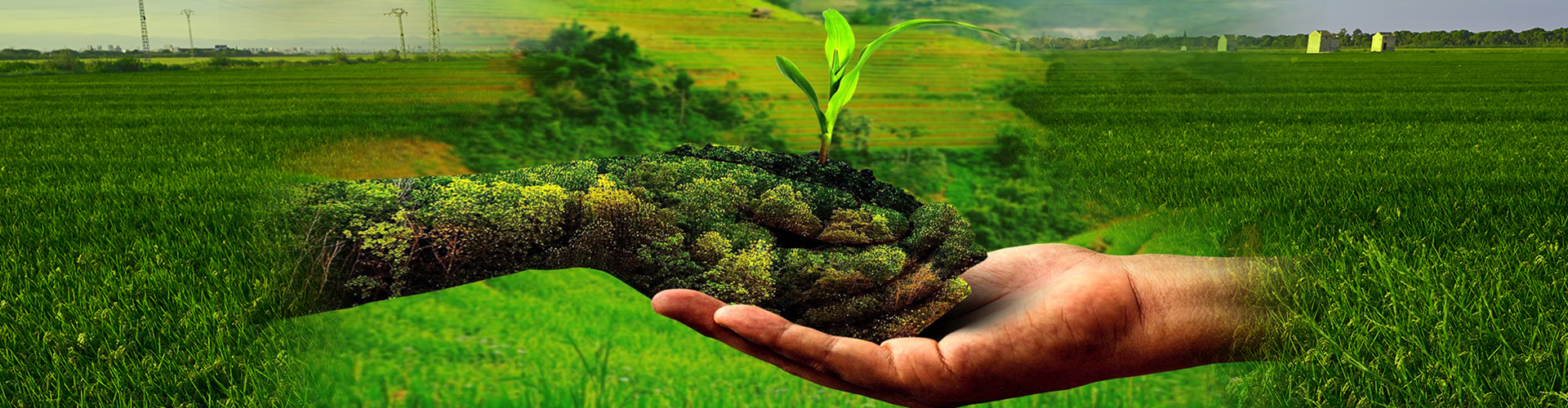
In a world where convenience often outweighs conscience, organic farming is making a strong comeback—bringing with it a promise of sustainability, healthier food, and a better planet. This rise in organic agriculture isn’t just a trend; it’s a response to growing awareness about the impact of conventional farming on our health and the environment.
At its core, organic farming is about working with nature, not against it. It emphasizes the use of natural methods to grow crops and raise livestock. That means no synthetic fertilizers, no harmful pesticides, and no genetically modified organisms (GMOs). Instead, organic farmers rely on compost, crop rotation, beneficial insects, and other eco-friendly practices to maintain soil health and reduce pest problems.
One of the biggest drivers of organic farming’s rise is consumer demand. People are becoming more conscious about what they eat and how it's grown. Labels like “certified organic” are no longer niche—they’re increasingly found in mainstream supermarkets. Consumers are willing to pay a bit more for produce that’s free from chemical residues, better for the environment, and often fresher and tastier.
Beyond the plate, organic farming has broader environmental benefits. It reduces pollution, conserves water, and promotes biodiversity. Healthy organic soil can store more carbon, which means these farms can actually help fight climate change. With climate concerns growing worldwide, organic agriculture is being seen not just as an alternative, but as a solution.
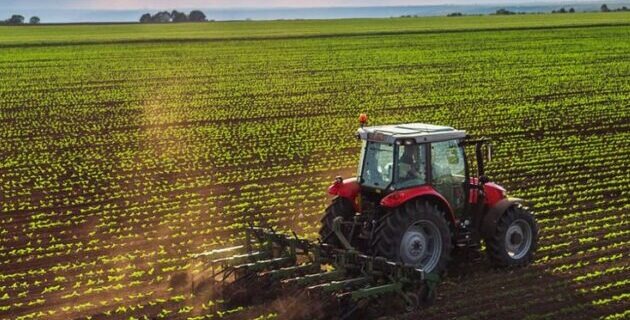
For farmers, switching to organic can be challenging but rewarding. The transition period requires patience, as it takes time to detoxify the land and adjust farming practices. But once established, organic farms can be more resilient. They depend less on expensive chemical inputs and focus more on long-term soil health, which can lead to more stable yields over time.
The rise of organic farming also sparks local economic growth. Many organic farms operate on a small or medium scale, selling directly to local communities through farmers’ markets or farm-to-table models. This helps keep money within the community, supports local jobs, and fosters connections between growers and consumers.
However, it’s important to recognize the need for continued support. Organic farming often involves more labor and can be affected by unpredictable weather and pests. Policies, subsidies, and education programs that back organic initiatives can make a huge difference in helping farmers make the switch and succeed long-term.
In conclusion, the growth of organic farming is more than just a shift in agricultural practices—it's part of a larger movement toward mindful living. As more people understand where their food comes from and how it's produced, the demand for organic products will only continue to grow. Whether you’re a consumer, farmer, or policymaker, supporting organic farming is a step toward a healthier future—for ourselves, our communities, and the planet.

 Fishing Reels Spin
1 × $100.00
Fishing Reels Spin
1 × $100.00
 Spoon lure tackle Baits
1 × $19.00
Spoon lure tackle Baits
1 × $19.00
 Fishing Reels Globeride
1 × $10.00
Fishing Reels Globeride
1 × $10.00